Last reviewed: 17 October 2026. This guide is general information, not legal advice.
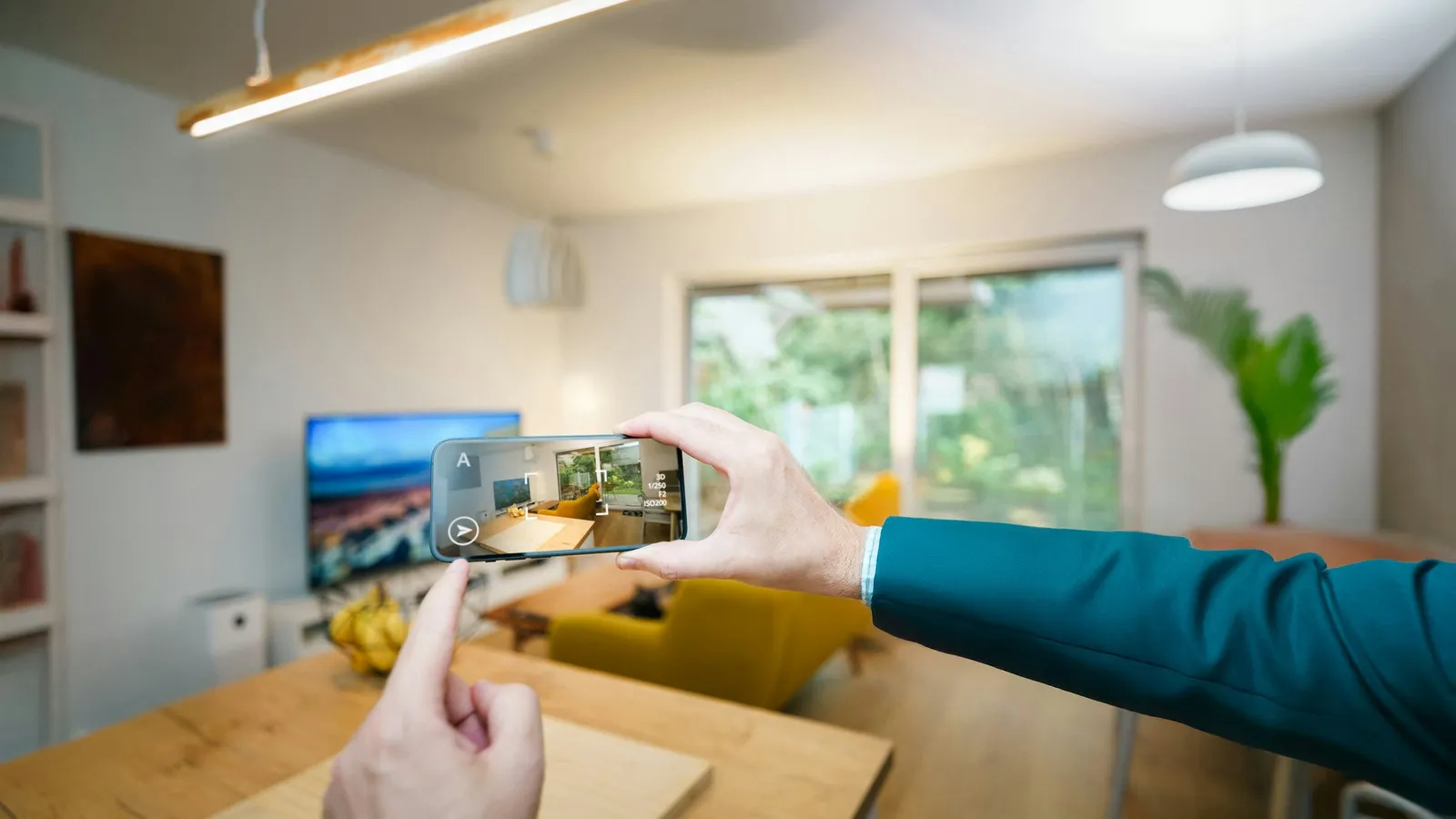
Video has made buying from abroad far easier. A good video tour or 360 tour tells you more in five minutes than twenty photos. But a video shows what the camera is pointed at, not what is off screen, and it says nothing about ownership. The safest approach combines three layers: see it remotely, have it checked independently, and verify it on paper.
This is part four of our series on buying property in Kenya from abroad.
Layer 1: See it remotely
Recorded video and 360 tours
Start with listings that already include them. A recorded walkthrough shows the flow of the home and the condition of finishes. A 360 tour lets you look around each room at your own pace and spot things the owner might not film, like ceiling stains or a cracked window.
On Kenya Home Search, owners can add video tours and native 360 tours to their listings, and many land listings show a satellite view with a drawn plot outline. Treat the outline as indicative: it is drawn by the lister and is not a survey.
Live video viewing
Next, book a live call with the owner over WhatsApp video. Agree the time in East Africa Time (EAT, UTC+3) so nobody is waiting at the wrong hour.
Ask the person filming to:
- Start outside and show the gate, the access road and the neighbouring buildings
- Turn on taps, show the water pressure and the storage tank
- Show the electricity meter and switch on lights and sockets in each room
- Open windows and doors, and show locks, grilles and the perimeter wall
- Point the camera up at ceilings and down at floors and corners, where damp shows first
- For land, walk the boundary and stop at each beacon
- Turn around slowly at the end so you see the whole surroundings
Ask questions while you watch:
- How reliable are water and power here, and what is the backup?
- What is the road like in the long rains?
- Is anyone living on or using the property now?
- Are there service charges, and what do they cover?
- For land, is there a title for this exact plot, and what is the parcel number?
Record the call (tell the other person first) and save it with the date.
Using the map and satellite view
The map on a listing helps you judge the surroundings before anyone visits:
- Look at the nearest main road and how the property connects to it
- Check what is next door: other homes, a market, a factory, a river or open land
- For land, compare the drawn outline with the shape of the plot in the photos and video
- Note anything you want your person on the ground to look at closely
Private sellers' listings show an approximate location until you contact them, so ask the owner for the exact pin once you are serious.
Scheduling across time zones
Kenya is on East Africa Time (UTC+3) all year and does not change its clocks. If you are in the UK, the US or the Gulf, the gap with Kenya changes when your own clocks change. Agree the time in EAT, put both times in the message, and plan the call for daylight in Kenya so the camera can show the outside clearly. Mid-morning in Kenya works for most of Europe and the Gulf, while early morning in the Americas lines up with late afternoon in Kenya.
Layer 2: Independent checks on the ground
The owner's video is the owner's view. Before money moves, send people who work for you.
| Who |
What they check |
When you need them |
| Trusted person with no stake in the sale |
Visits, films, talks to neighbours, checks access and surroundings |
Every purchase |
| Licensed surveyor |
Beacons, size, that the plot matches the survey records, encroachments |
Land and houses on their own plots |
| Valuer |
Market value, for your price negotiation and any bank loan |
Larger purchases and any mortgage |
| Structural engineer or experienced builder |
Cracks, damp, roof, wiring, plumbing, build quality |
Houses and older apartments |
| Your advocate |
Ownership, encumbrances, consents, contract |
Every purchase |
Questions for the person on the ground
- Does the property in the video match what is here, including the gate and the view?
- Who do the neighbours say owns it? Any disputes?
- Is there a building, crops or people on the land that were not mentioned?
- How long does the trip to the nearest town, school or main road really take at rush hour?
Layer 3: Verify it on paper
For land
- Official search by your own advocate. See how to do a land search.
- Survey records checked by your surveyor
- Seller ID matches the registered owner
- Land Control Board consent for agricultural land
- Rates and land rent clearances
- Planning use confirmed with the county
For a house on its own plot
Everything for land, plus:
- County building approval for what is built
- An occupation certificate where the county issues one
- Condition report from an engineer or builder
For an apartment
- Apartments can be registered as sectional units under the Sectional Properties Act. Ask your advocate what kind of title the unit has, or will have, and whether there is a lease for the unit.
- The management company or residents' association, the service charge and any arrears
- The building's approvals and, for new projects, the developer's track record
- The search on the land the building stands on
For off-plan
- Search the land and confirm the developer, or a company it controls, owns it
- County building approvals and the project's environmental licence where one is required
- A payment plan linked to construction stages, paid through an advocate
- What happens to your money if the project is delayed or stops
If you travel for a final viewing
Many buyers do most of the work remotely and fly in once, near the end. Make that trip count:
- Book it after the search, survey and price are agreed, so you are confirming rather than starting
- Visit at two different times of day, and once after rain if you can
- Meet your advocate in person and sign the agreement or power of attorney while you are there
- Open or confirm the bank arrangements you will use for the balance
- Meet the neighbours and introduce the person who will look after the property
Red flags during a remote viewing
- The camera never shows the outside, the gate or the neighbours
- The owner will not do a live call, only sends recordings
- The video and the photos show different properties or different seasons
- Rooms are filmed from the same angle, as if hiding something
- The listing location is vague and the owner will not share the parcel number
Keep a record of everything
A remote purchase lives in messages and files, so organise them from the start:
- One folder per property, with the listing, videos, call recordings and photos
- Dated notes from every call and visit
- Copies of the search, survey report, valuation and agreement
- A list of who you spoke to, with their role and phone number
If anything goes wrong later, this record is what your advocate will need.
A simple remote-buying checklist
- Shortlist listings with video, 360 tours or drawn boundaries
- Live video call with the owner, recorded
- Independent visit by your trusted person
- Surveyor and, where relevant, engineer and valuer
- Official search and document checks by your advocate
- Sale agreement reviewed by your advocate
- Payment through confirmed bank channels only
- Registration, then a fresh search showing your name
How Kenya Home Search fits in
You can message owners directly on WhatsApp, phone or email from any listing, with no commission. Listings with the Verified Owner badge have passed an ID check and a title check, which is a useful first filter but not a substitute for the checks above. Read more on remote viewing, browse homes for sale, or request a dedicated property verification.
Next in the series: paying for property in Kenya from abroad.
 Buying from abroad